
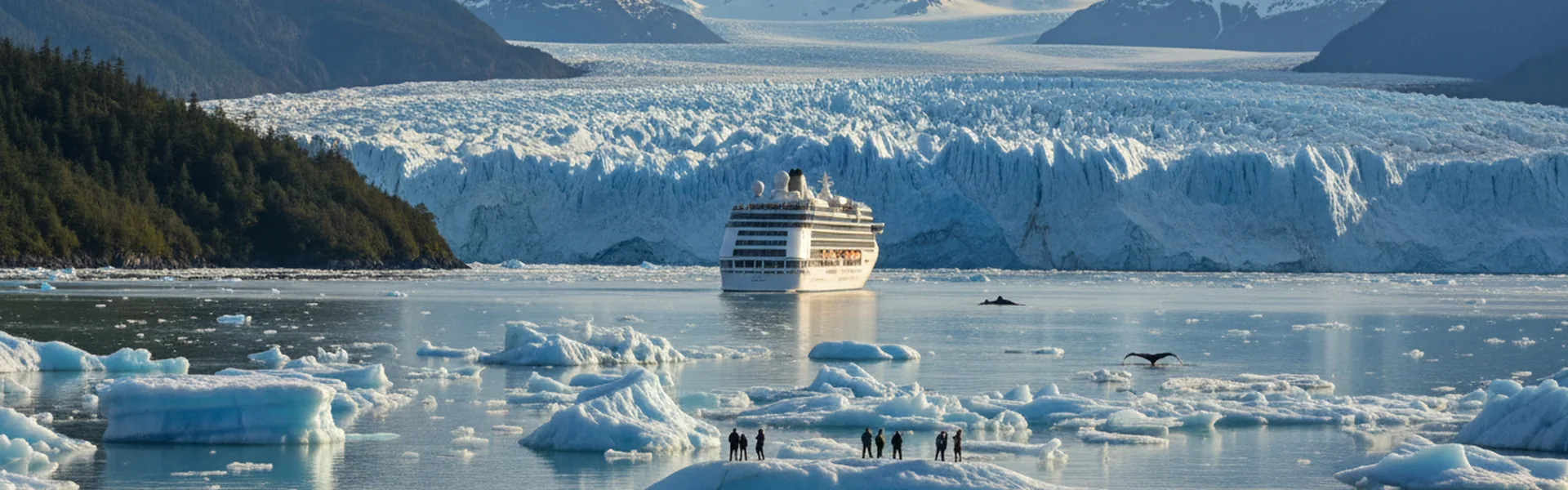
How Glacier Bay Scenic Cruising Works: Your Ship as a Moving Viewing Platform
Welcome, fellow adventurers, to the crown jewel of your Alaska cruise: Glacier Bay National Park! If you're wondering what makes a Glacier Bay National Park cruise so unforgettable, get ready to dive into an experience unlike any other. This isn't just another port day; it's a full-on, immersive journey into a pristine wilderness where towering glaciers meet the sea, and wildlife roams free. Picture this: your majestic cruise ship, a floating viewing platform, gliding through waters teeming with life, surrounded by landscapes so grand they’ll make your jaw drop. We're talking about a day filled with "oohs" and "aahs," camera clicks galore, and memories that will last a lifetime. So, grab your binoculars, layer up, and let's explore everything you need to know to make your Glacier Bay cruise ship day absolutely epic!
Unlike most cruise ports where you disembark for exciting shore excursions, a Glacier Bay National Park cruise offers a completely different, yet equally thrilling, adventure. In Glacier Bay, your cruise ship becomes the main event, a spectacular floating theater designed for one purpose: to bring you face-to-face with nature's grandeur. There are no docks here, no tenders whisking you ashore. Instead, your ship will spend an entire day slowly navigating the tranquil, icy waters of the bay, giving you unparalleled access to its dramatic fjords, tidewater glaciers, and abundant wildlife.
This unique approach is a cornerstone of the Glacier Bay experience, ensuring minimal human impact on this delicate ecosystem while maximizing your viewing pleasure. The ship's captain will orchestrate a masterful dance, rotating the vessel 360 degrees in front of the most active glaciers, ensuring everyone on board, no matter which side of the ship they're on, gets a prime view. This slow, deliberate pace allows for ample time to soak in the sheer scale of the landscape, listen to the crackling of the ice, and scan the shores for elusive creatures. It’s a day dedicated entirely to observation and appreciation, a chance to truly unplug and connect with the raw power of Alaska.
You'll glide past icebergs of all shapes and sizes, their brilliant blues contrasting with the stark white of the surrounding mountains. The air itself feels different here, crisp and clean, carrying the scent of salt and ancient ice. This isn't just a casual sail-by; it's a deeply regulated and protected experience. Glacier Bay National Park is a UNESCO World Heritage Site, and access is strictly controlled, with only a limited number of cruise ships permitted to enter each day. This exclusivity means you’re part of a select few who get to witness this wonder up close.
The park service works closely with cruise lines to ensure environmental stewardship, making your visit not just breathtaking, but also responsible. So prepare to settle in, because this extended period of Glacier Bay scenic cruising is designed to immerse you fully in one of the world's most spectacular natural wonders.
Best Viewing Spots and Which Side to Stand On for Glacier Bay
Alright, intrepid explorers, let’s talk strategy! When it comes to a Glacier Bay National Park cruise, securing your prime viewing spot is key to unlocking the full magic of the day. The good news? Modern cruise ships are designed with incredible observation decks and panoramic windows, meaning there truly isn't a "bad" seat in the house. However, for those seeking the ultimate vantage point, we’ve got some insider tips.
First up, let's talk about those prime viewing spots. For the ultimate Glacier Bay experience, consider these tips:
- Hit the Open Decks: Head to the bow (front) of the ship for unobstructed, forward-facing views that make you feel like you're leading the charge into the wilderness. Many ships also have excellent viewing areas on the stern (back) and expansive promenade decks that wrap around the ship. Just remember, it can get chilly, so layer up!
- Warm Up in Observation Lounges: For those who prefer a bit more warmth and comfort, the ship’s observation lounges, often located high on the upper decks, are fantastic. These spaces typically feature floor-to-ceiling windows, plush seating, and sometimes even hot cocoa stations.
- Don't Pick a Side, Embrace the Spin: The age-old question: which side is best? Here’s the secret – it doesn't really matter! Your captain will perform a graceful 360-degree pirouette in front of the major glaciers, ensuring both port (left) and starboard (right) sides get equally spectacular views. So, move around!
- Bring Binoculars: These will be your best tool for spotting distant wildlife or intricate ice formations, making every view even more detailed and exciting.
Trust us, no matter where you plant yourself, the sheer majesty of Glacier Bay will surround you.
Wildlife to Look For: From Whales to Bears
One of the most thrilling aspects of your Glacier Bay National Park cruise is the incredible opportunity to witness Alaska’s iconic wildlife in their natural habitat. This isn't a zoo, folks; this is the real deal, an untamed wilderness where every sighting feels like a precious gift. So, keep those eyes peeled and those cameras ready, because you never know what magnificent creature might make an appearance!
Topping many people's "must-see" list are the majestic humpback whales. These gentle giants are often seen breaching, sending massive splashes into the air, or displaying their distinctive tail flukes as they dive deep. Listen for the "whoosh" of their spouts, a tell-tale sign that a whale is nearby. They feed heavily in these nutrient-rich waters, so you might spot them lunge feeding or bubble-net feeding if you're particularly lucky!
Closer to the shore, and often floating serenely on their backs, are the adorable sea otters. These playful creatures are a joy to watch as they crack open shellfish on their bellies or groom their incredibly dense fur. Keep an eye out for rafts of them, sometimes holding paws to keep from drifting apart – seriously, it’s cuteness overload! Another feathered friend to seek out is the puffin, with its distinctive colorful beak and comical waddle. You might see them bobbing on the water or zipping through the air with their rapid wingbeats.
Don't forget to scan the forested shores and rocky outcrops for larger land mammals. Brown bears, often called grizzlies, are common in Glacier Bay and can sometimes be spotted foraging along the coastline, especially during salmon spawning season. You might also catch a glimpse of mountain goats scaling impossibly steep cliffs, or black-tailed deer grazing in meadows. In the water, look for harbor seals lounging on ice floes or porpoises gracefully cutting through the waves. And, of course, the skies are often graced by bald eagles, soaring overhead or perched majestically in tall trees.
The park rangers on board (more on them later!) are incredibly knowledgeable about local wildlife patterns and will often announce sightings over the ship’s public address system, so you won’t miss a thing. Remember, patience is a virtue when it comes to wildlife viewing. Sometimes it takes a keen eye and a bit of waiting, but the reward of seeing these magnificent creatures in the wild is truly unparalleled. It’s an experience that perfectly complements the grandeur of the glaciers, making your glacier bay scenic cruising even more spectacular.
The Science Behind Calving Glaciers and What You'll Witness
Prepare your senses, because one of the most dramatic and awe-inspiring events you'll witness during your Glacier Bay National Park cruise is the phenomenon of glacier calving. This isn't just a visual spectacle; it's an auditory one too, often referred to as "white thunder." But what exactly is happening when a massive chunk of ice breaks off and plunges into the sea? Let's dive into the fascinating science behind this natural wonder.
Glaciers are essentially slow-moving rivers of ice, formed over thousands of years as layers of snow accumulate, compact, and recrystallize. They flow downhill under their own immense weight, constantly reshaping the landscape. When a tidewater glacier, like the famous Margerie or Grand Pacific glaciers in Glacier Bay, reaches the ocean, its leading edge, or terminus, is submerged. The interaction between the ice and the water is where the magic (and the thunder) happens.
Calving occurs when the stresses within the ice, combined with the buoyant force of the water, cause large pieces of the glacier’s face to fracture and break away. These stresses can be caused by the glacier's forward movement, the melting of ice below the waterline, or even tidal forces. When a piece of ice, ranging from the size of a car to an entire apartment building, finally gives way, it falls into the water with an incredible splash and a booming roar that echoes across the bay. This sound is truly unforgettable – a deep, resonating crack followed by a thunderous crash that sends shivers down your spine.
You'll see the immediate aftermath: a towering splash, followed by ripples and waves spreading across the water. Smaller pieces of ice, called bergy bits and growlers, will break off and float away, eventually becoming part of the bay's dynamic ice field. Watching a glacier calve is a powerful reminder of the immense, ongoing geological processes that shape our planet. It’s a testament to the raw power of nature and the constant evolution of these ancient ice formations. Each calving event is unique, unpredictable, and utterly mesmerizing.
The glaciers in Glacier Bay are not static monuments; they are living, breathing entities, constantly shifting and changing. While some glaciers in the park, like the Grand Pacific, are retreating, others, like the Margerie Glacier, are relatively stable or even advancing slightly. Observing these dynamic processes firsthand provides an incredible perspective on climate and geology. So, keep your camera ready, but also take a moment to simply absorb the moment with your own eyes and ears. It’s a humbling, exhilarating experience that truly defines the what to expect Glacier Bay adventure.
Park Ranger Narration and Junior Ranger Activities for Kids
One of the truly special elements that elevate a Glacier Bay National Park cruise beyond a mere sightseeing tour is the presence of the National Park Service rangers on board. These knowledgeable and enthusiastic experts are your personal guides to the wonders of Glacier Bay, transforming your scenic cruising day into an educational and deeply enriching experience.
As your ship navigates the pristine waters, park rangers will provide live narration over the ship's public address system. They'll share fascinating insights into the park's geology, ecology, and rich human history. You'll learn about the formation of the glaciers, the unique adaptations of the wildlife you're spotting, and the indigenous Tlingit people who have called this land home for centuries. Their commentary is engaging, informative, and delivered with a passion that is truly contagious. They’ll point out specific landmarks, explain the nuances of the ecosystem, and often provide real-time updates on wildlife sightings, ensuring you don't miss a beat. Listening to their stories and explanations truly deepens your appreciation for this incredible place.
But the educational fun isn't just for adults! Glacier Bay National Park also runs an excellent Junior Ranger program directly on board the cruise ships. This is a fantastic opportunity for younger cruisers to get involved and learn about conservation in a fun, interactive way. Kids receive a special activity booklet filled with puzzles, games, and observations to complete throughout the day. Rangers often host dedicated presentations or activity sessions for Junior Rangers, where they can ask questions, participate in hands-on learning, and even take an oath to protect national parks. Upon completion of their booklet, they earn an official Glacier Bay Junior Ranger badge, a cherished souvenir that represents their commitment to environmental stewardship. It's a brilliant way to keep kids engaged and turn a beautiful scenic day into an unforgettable learning adventure.
Beyond the formal programs, the rangers are often available on deck to answer questions, share personal anecdotes, and chat about the park. Don't be shy – they love interacting with visitors! They might even have a small pop-up shop with official park souvenirs, the proceeds of which directly support the park's conservation efforts. Their presence is a testament to the park's commitment to education and preservation, making your glacier bay cruise ship day not just a vacation, but a meaningful connection with nature. For those interested in the broader history of Alaska, learning about the park’s formation might even spark an interest in tales like the Alaska Gold Rush History in Skagway: A Cruise Port Story, another fascinating chapter of Alaskan heritage. And if all this talk of natural beauty inspires you to get even closer to the water, you might want to look into Kayaking Excursions From Alaska Cruise Ships: Full Guide for future adventures!
As your ship slowly makes its way out of Glacier Bay, leaving behind the towering ice walls and the echoes of calving glaciers, you’ll carry with you an experience that transcends mere tourism. A Glacier Bay National Park cruise is a profound encounter with one of Earth’s most spectacular and dynamic environments. It's a day of quiet awe, thrilling wildlife encounters, and deep connection to nature. From the thunderous roar of a calving glacier to the playful antics of a sea otter, every moment is a reminder of the wild beauty that Alaska holds. So, whether you're planning your first visit or dreaming of a return, remember to embrace the journey, soak in every view, and let the magic of Glacier Bay captivate your heart. Get ready to tell stories of this incredible day for years to come!
Ready to Shop?
Browse our collection — Fun, colorful Alaska cruise apparel for your next adventure.
Shop All Shirts
Published by Alaska Cruise Tees
Fun, colorful Alaska cruise apparel for your next adventure
Frequently Asked Questions
Do cruise ships dock in Glacier Bay National Park?
No, cruise ships do not dock in Glacier Bay National Park. Instead, your ship will spend an entire day engaged in scenic cruising, slowly navigating the bay's waters. This allows passengers to view glaciers, wildlife, and stunning landscapes directly from the ship, transforming it into a moving observation platform.
What kind of wildlife can I expect to see in Glacier Bay?
Glacier Bay is teeming with diverse wildlife! You can expect to spot majestic humpback whales, adorable sea otters, colorful puffins, and various seabirds. Keep an eye on the shorelines for brown bears, mountain goats, and deer, while harbor seals often lounge on ice floes.
Which side of the cruise ship is best for viewing glaciers in Glacier Bay?
Neither side is definitively 'best' for viewing in Glacier Bay! Cruise ship captains skillfully rotate the vessel 360 degrees in front of major glaciers like Margerie, ensuring both port and starboard sides get equally spectacular views. The best strategy is to move around the ship and enjoy the ever-changing perspectives.
What is glacier calving and will I see it on my cruise?
Glacier calving is the dramatic process where large chunks of ice break off the glacier's face and plunge into the sea, often creating a thunderous roar and massive splash. While it's a natural and frequent occurrence, it's impossible to predict exactly when or where it will happen. However, most visitors to Glacier Bay do witness at least one calving event, making it a truly unforgettable experience.
Are there park rangers on board during a Glacier Bay cruise?
Yes, National Park Service rangers board every cruise ship entering Glacier Bay. They provide live narration over the ship's public address system, sharing insights into the park's geology, wildlife, and history. They also offer a Junior Ranger program for kids and are often available on deck to answer questions.
First Look at New Alaska Cruise Designs
Get new alaska cruise shirts, packing tips, and port-day style guides delivered straight to your inbox — before anyone else sees them.