
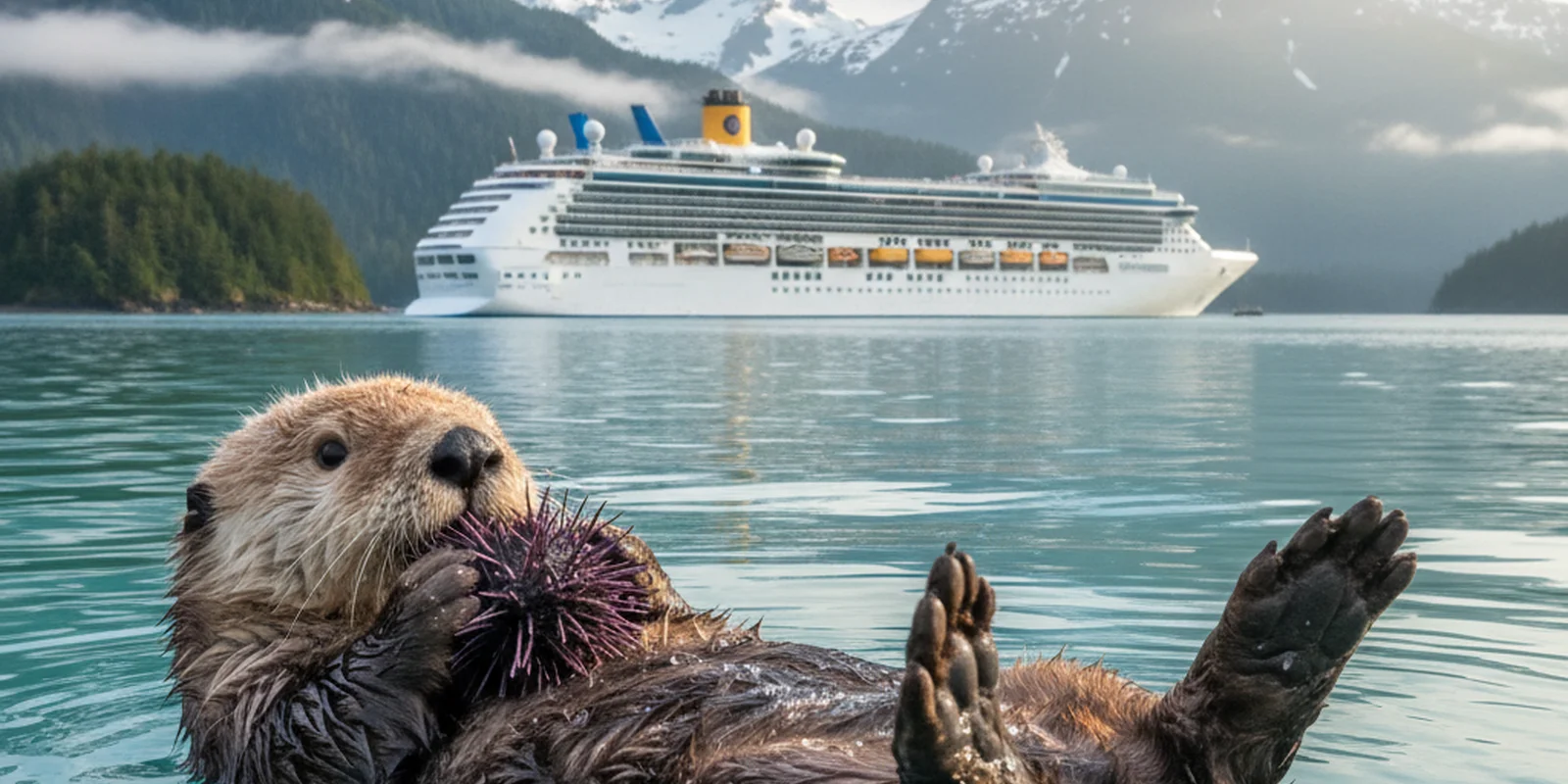
Get ready, adventurers! As you plan your incredible journey to the Last Frontier, you're probably dreaming of majestic glaciers, towering fjords, and maybe even a breaching whale. But let's talk about one of the most adorably charismatic creatures you absolutely must keep an eye out for: the magnificent sea otter! Spotting sea otters on your Alaska cruise is a highlight for so many travelers, and trust us, these furry friends are pure joy to watch. They bring a playful energy to the wild Alaskan waters, making every sighting a memorable moment. Prepare to be charmed by their antics and learn some fascinating alaska sea otter facts!
Sea otter behavior: floating, eating, and their tool-using habits
Imagine floating on your back, holding hands with your best buddies, and cracking open a delicious snack – sounds like a perfect vacation, right? Well, that's pretty much a Tuesday for a sea otter! These marine mammals are famous for their endearing habits, especially their unique approach to dining. They love to float on their backs, often using their chests as a convenient dining table for clams, mussels, sea urchins, and crabs. They have an impressive appetite, needing to eat about 25% of their body weight daily to fuel their high metabolism and stay warm in the chilly Alaskan waters. This is one of the most fascinating alaska sea otter facts you'll discover.
One of the coolest things about sea otters is their clever use of tools. They're one of the few non-primate species known to use tools! You might be lucky enough to see one cracking open a stubborn clam or mussel by smashing it against a rock they've carefully placed on their belly. Talk about multi-tasking! They can even store their favorite rocks in a special pouch under their armpit, ready for their next meal. When they're not feasting, you'll often see them grooming their incredibly dense fur – the densest of any mammal – which is vital for insulation since they lack a blubber layer. This constant preening keeps their fur waterproof and insulated, a full-time job for these fluffy residents.
They also have a charming habit of forming 'rafts,' groups of otters floating together, sometimes holding paws to prevent drifting apart while they rest. It's an unbelievably cute sight and a surefire way to make everyone aboard your sea otter viewing cruise go 'awww!' These social gatherings can range from a few individuals to hundreds, creating a truly memorable wildlife spectacle. Keeping an eye out for these rafts is one of the best ways to see sea otters Alaska has to offer. Their playful interactions and relaxed demeanor are a constant source of entertainment for anyone lucky enough to observe them.
Where along the cruise route you're most likely to spot otters
So, where do you find these adorable aquatic acrobats? While sea otters can pop up in many coastal areas, there are certain hotspots along your Alaska cruise route where you're almost guaranteed to see sea otters Alaska style. They prefer shallow, protected waters, often near kelp forests, which provide both food and a safe haven. Kelp beds are like their grocery store and playground all rolled into one, offering abundant prey and a secure place to rest.
As your ship navigates the stunning Inside Passage, keep your eyes peeled in bays, coves, and near rocky shorelines. Places like Glacier Bay National Park and Preserve are fantastic for sea otter sightings, as are the waters around Sitka, Juneau, and Ketchikan. Often, you’ll spot them lounging near the shore, unbothered by the passing ships, especially in calmer waters where they can easily forage for food. When you're cruising through the fjords, look for dark patches in the water – these could be kelp beds, which are prime real estate for otters. The calmer the water, the easier it is to spot their little heads popping up, sometimes in large groups.
Another excellent location for a sea otter viewing cruise is Prince William Sound or Resurrection Bay near Seward, especially if your itinerary takes you further north or on a pre/post-cruise excursion. These areas are rich in marine life, and otters thrive there amidst the dramatic landscapes. Remember, patience is key, but with so much stunning scenery around, waiting for a glimpse of an otter is hardly a hardship! And while you’re scanning the shores for otters, don't forget to look up! You might also spot majestic bald eagles, which we cover in our guide to Bald Eagle Watching at Alaska Cruise Ports: Where to Look.
Binoculars vs telephoto: how to get a good look from the ship
Okay, you've spotted a fuzzy head bobbing in the distance – now what? Getting a good look at these swift swimmers from the deck of a moving ship requires a little strategy and the right gear. First things first: binoculars are your best friend! A good pair of waterproof binoculars (7x50 or 8x42 are excellent general-purpose choices) will bring those distant otters right into view. They're essential for any wildlife viewing on an Alaska cruise, allowing you to observe their playful antics without disturbing them. You’ll be able to see the details of their grooming, their little paws holding shellfish, and their expressive faces, transforming distant specks into vibrant observations.
For photography enthusiasts, a telephoto lens is a game-changer. Something in the 200-400mm range (or even longer, if you have it) will let you capture incredible close-up shots. Remember, the ship is constantly moving, even subtly, so a fast shutter speed and image stabilization are your allies. Don't be afraid to crank up your ISO a bit if needed, as light conditions can change rapidly on the water. Practice spotting and tracking before the main event; it's a bit like a mini-sport on its own! And always keep your lens cap handy to protect against sea spray, ensuring your gear stays pristine.
Even without fancy gear, you can still enjoy the show. Many ships have outdoor viewing decks, and the crew often points out interesting wildlife. Find a spot along the rail, stay patient, and let your eyes adjust to the vastness of the ocean. Sometimes, an otter will surprise you by popping up closer than you expect! For a broader understanding of all the creatures you might encounter, check out our comprehensive guide: Alaska Wildlife You'll See on a Cruise: Photo Guide. It's packed with tips for spotting everything from whales to bears, ensuring you make the most of your wildlife adventure and capture those amazing memories.
Conservation story: sea otters' recovery in Alaska waters
Beyond their undeniable cuteness, sea otters carry a compelling conservation story that adds depth to every sighting. These incredible animals were once hunted to the brink of extinction during the maritime fur trade of the 18th and 19th centuries. Their incredibly dense, luxurious fur made them highly sought after, leading to a drastic decline in their populations across their entire range, including the abundant waters of Alaska. It's a sobering reminder of human impact on wildlife and the fragility of ecosystems.
Thankfully, due to protective measures, including the International Fur Seal Treaty of 1911 and later the Marine Mammal Protection Act of 1972, sea otters have made a remarkable comeback. Alaska's waters, especially, have played a crucial role in their recovery, serving as a stronghold for their populations. Today, the southern sea otter population is still considered threatened, but the northern sea otter, which you'll primarily see in Alaska, is thriving in many areas. Their recovery is a testament to dedicated conservation efforts and the resilience of nature when given a chance. This vital conservation story is an important part of understanding alaska sea otter facts.
Their return isn't just good news for the otters; it's fantastic for the entire marine ecosystem. Sea otters are considered a 'keystone species.' This means they play a critical role in maintaining the health of their habitat, particularly kelp forests. By eating sea urchins, which graze on kelp, otters prevent the urchins from devouring entire kelp beds. Without otters, urchin populations can explode, leading to 'urchin barrens' where kelp forests are decimated. Healthy kelp forests, in turn, provide food and shelter for countless other marine species, creating a rich and biodiverse environment for all. So, when you see a sea otter on your sea otter viewing cruise, you're not just seeing a cute face; you're witnessing a success story that benefits the whole ocean.
Best excursions for close sea otter encounters
While spotting sea otters from the deck of your cruise ship is an amazing experience, for truly up-close and personal encounters, consider booking a dedicated excursion. These smaller, more agile vessels can get closer to shorelines and into calmer coves where otters love to hang out, offering unparalleled opportunities to see sea otters Alaska style. Many ports offer fantastic options to get you closer to the action, providing a more intimate viewing experience.
Here are some top choices for maximizing your sea otter viewing cruise experience:
- Kayaking or Canoeing Tours: Imagine silently gliding through the water, paddling past a raft of otters as they groom or munch on a crab. Tours in places like Sitka, Ketchikan, or Juneau often feature guided kayak adventures that take you into prime otter habitat. It's an incredibly immersive and peaceful way to observe them in their natural environment, often from just a few dozen feet away, truly connecting you with nature.
- Small Boat Wildlife Cruises: Many ports offer specialized wildlife viewing tours on smaller boats, sometimes called 'photo safaris.' These tours are specifically designed to seek out marine mammals and birds, and the expert guides know exactly where to look for otters. They can often position the boat for excellent viewing and photography opportunities, all while respecting wildlife regulations and ensuring the animals' well-being.
- Glacier Bay National Park Boat Tours: If your cruise ship visits Glacier Bay, there are often smaller park ranger-led boats that offer closer insights into the park's wildlife, including its thriving sea otter population. This is a truly unique opportunity to combine glacier viewing with incredible animal encounters, often with expert commentary from naturalists.
- Prince William Sound or Kenai Fjords National Park Tours (Pre/Post Cruise): If your itinerary allows for a pre or post-cruise extension, a day tour into Prince William Sound from Whittier or Kenai Fjords from Seward is highly recommended. These areas are teeming with marine life, and sea otters are practically guaranteed residents amidst stunning glacial landscapes. The scenery is also breathtaking, making these tours a double win for nature lovers.
These excursions not only provide incredible views of sea otters but also give you a chance to learn more about their behavior and the Alaskan ecosystem from knowledgeable local guides. It's truly the best way to ensure you see sea otters Alaska has to offer up close, creating memories that will last a lifetime and deepen your appreciation for this unique environment.
From their playful antics to their vital role in the marine environment, sea otters are undeniably one of Alaska's most charming and important residents. Keeping an eye out for these delightful creatures during your Alaska cruise will add an extra layer of wonder and excitement to your trip. So pack those binoculars, get ready for some serious 'awwws,' and prepare to fall in love with the furry, floating superstars of the Last Frontier. Happy otter spotting, fellow adventurers!
Ready to Shop?
Browse our collection — Fun, colorful Alaska cruise apparel for your next adventure.
Shop All Shirts
Published by Alaska Cruise Tees
Fun, colorful Alaska cruise apparel for your next adventure
Frequently Asked Questions
What do sea otters eat and how often?
Sea otters have a voracious appetite, needing to consume about 25% of their body weight daily to maintain their high metabolism and stay warm. Their diet primarily consists of shellfish like clams, mussels, sea urchins, and crabs, which they often crack open using rocks.
Can I see sea otters from my cruise ship?
Yes, absolutely! While you might need binoculars for distant sightings, sea otters are often visible from the deck of your cruise ship, especially in sheltered bays, coves, and near kelp forests. They frequently float in 'rafts' and pop their heads up to observe their surroundings.
Are sea otters endangered in Alaska?
While the southern sea otter population (found off California) is still threatened, the northern sea otter, which you'll encounter in Alaska, has made a remarkable recovery thanks to conservation efforts. Their populations are thriving in many Alaskan waters, making them a success story in marine conservation.
What are the best places to spot sea otters in Alaska?
Excellent locations for spotting sea otters include Glacier Bay National Park, Prince William Sound, and the waters around Sitka, Juneau, and Ketchikan. Look for them in shallow, protected areas, especially near kelp beds where they forage for food.
What is a "raft" of sea otters?
A "raft" is a group of sea otters floating together, often holding paws to prevent drifting apart while they rest or sleep. These social gatherings can range from a few individuals to hundreds, creating a truly charming and memorable sight for cruise passengers.
First Look at New Alaska Cruise Designs
Get new alaska cruise shirts, packing tips, and port-day style guides delivered straight to your inbox — before anyone else sees them.